
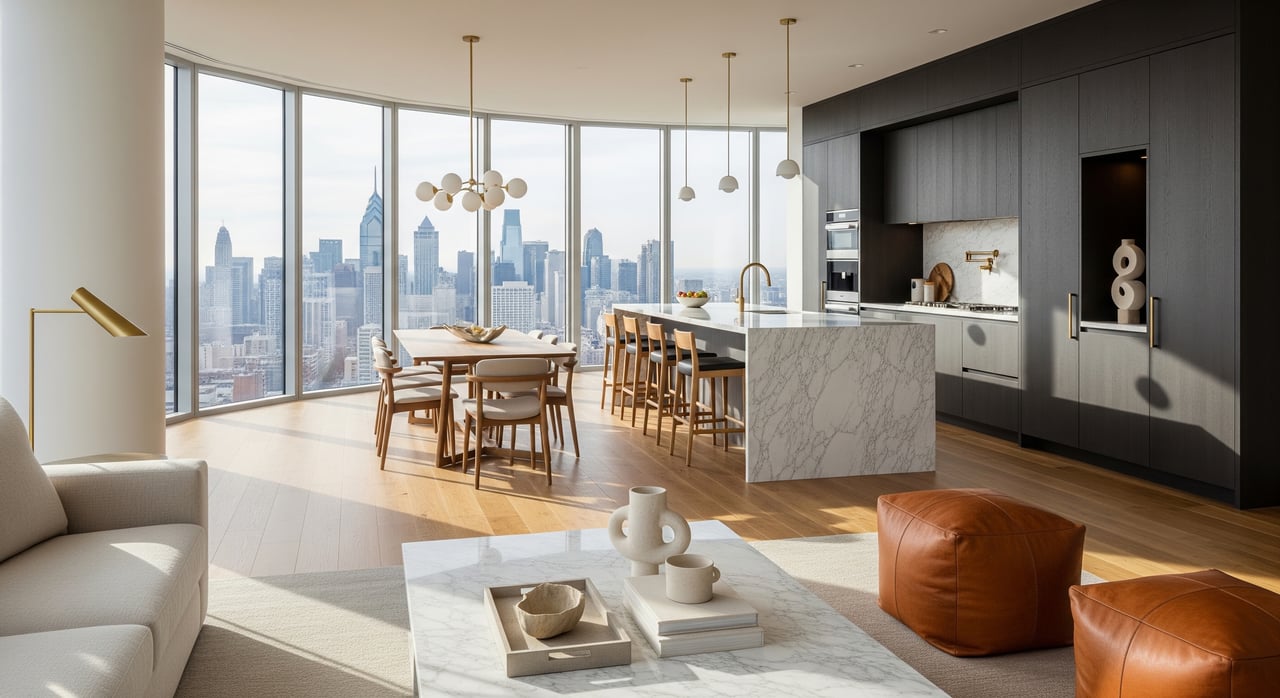
Thinking about making Center City your home? You want energy, convenience, and culture without giving up your sanity on a long commute. This guide walks you through what daily life really feels like here, from housing styles and parks to dining and South Jersey commute options. By the end, you will know how to choose the right block for your lifestyle and budget. Let’s dive in.
Center City at a glance
Center City is Philadelphia’s core, framed by the Delaware River to the east, the Schuylkill River to the west, Vine Street to the north, and South Street to the south. It is made up of distinct pockets with their own feel and pace. For neighborhood context and maps, explore Center City District resources.
Rittenhouse Square vibe
You get leafy streets and a classic urban square where neighbors lounge at lunch and on weekends. Expect luxury condo towers, elegant rowhomes, and high-end shops and cafes. Nightlife is lively yet refined, with a strong brunch culture.
Old City vibe
This is the historic heart with cobblestones, galleries, and loft-style living. Many former warehouses are now spacious apartments with exposed brick and beams. Evenings are active near restaurants and bars, and weekends draw visitors to nearby historic sites.
Society Hill vibe
You will see brick rowhomes, gas lamps, and quieter side streets. It feels residential and tucked away while still close to Old City dining and the waterfront. Narrow blocks and small pocket parks add charm.
Chinatown vibe
Expect a dense, dynamic corridor with markets, bakeries, and late-night dining. Newer towers mix with mid-rise apartments above busy storefronts. It is a convenient base if you want constant activity and excellent food options.
Cultural corridor and Washington Square West
Around Broad Street and the Kimmel Center, you are near performing arts and newer high-rises. Washington Square West blends historic blocks with modern apartments and quick access to Washington Square Park. This area is good if you want culture within a short walk.
Daily living: walkable and event-rich
Center City is built for walking. Most errands are a few blocks away, and you will find a mix of national grocers, local markets, pharmacies, gyms, and coffee shops. Chinatown has specialty Asian markets, and larger supermarkets sit near major corridors.
Dining is a major perk. From casual pubs to tasting menus, there is range and depth. Old City and Rittenhouse are key nightlife hubs, while Chinatown offers standout noodles, hot pot, and bakeries.
Culture is everywhere. You can catch a performance at the Kimmel Cultural Campus, explore the Barnes Foundation, or spend an afternoon at The Franklin Institute. Seasonal markets, outdoor concerts, and restaurant weeks keep the calendar full.
Parks, green space, and waterfront
Rittenhouse Square and Washington Square are the neighborhood’s living rooms. People picnic, read, and relax year round. Farther northwest, the Benjamin Franklin Parkway links green space with museums.
On the Delaware River, Penn’s Landing offers seasonal programming and river views. The waterfront is a pleasant stroll in warmer months and makes an easy weekend plan with friends.
Housing: what you will find
You can pick from high-rise towers, mid-rise buildings, walk-ups, and historic rowhomes. Old City often features lofts in converted industrial buildings. Newer buildings lean into amenities like doormen, gyms, rooftop decks, and package rooms.
Historic buildings bring character and sometimes more space, though they may have older systems and fewer modern conveniences. Utilities vary by building. Heat and hot water may be included, while electric and internet are typically separate. Confirm trash and recycling procedures, plus any move-in fees.
Pet policies differ. Many modern buildings are pet-friendly with fees or deposits, while some historic homes may not allow pets. Always check breed and weight guidelines before you apply.
Parking can be tight and expensive. Many residents skip car ownership and rely on transit, rideshare, and bikes. If you must park, plan for a higher monthly cost compared with suburban options.
Commuting to and from South Jersey
If you are coming from South Jersey or plan to visit often, Center City connects easily.
- PATCO Speedline: A direct rail link from Camden County to downtown. Stations like Haddonfield and Lindenwold run trains into Center City stops. Check routes and frequency on the PATCO Speedline site.
- NJ Transit: The Atlantic City Line reaches 30th Street Station. Some routes require transfers, so confirm your door-to-door timing on NJ Transit.
- SEPTA: Once you are in the city, SEPTA subways, trolleys, buses, and Regional Rail tie the region together. See maps and fares on SEPTA.
- RiverLink Ferry: A seasonal passenger ferry links Camden and Penn’s Landing. It is a scenic option in warmer months. Get details from the RiverLink Ferry page.
- Driving: The Ben Franklin, Walt Whitman, and Betsy Ross bridges connect to Center City. Off-peak can be faster, but rush hour brings backups and parking adds cost. Many commuters park at PATCO lots or use rideshare for the last mile.
Pro tip: Compare your real door-to-door commute at the time you would travel. A mile in South Jersey can change whether PATCO or driving makes more sense.
Cost and lifestyle tradeoffs
You pay a premium to live near restaurants, culture, and short commutes. Units may be smaller for the price, and parking is often extra. In return, you gain walkability, frequent events, and weekend options right outside your door.
If you are weighing South Jersey versus Center City, compare the full picture: rent or mortgage, utilities, transit or parking, and your time. For some, the value of a car-light lifestyle and quick access to work wins. Others prefer more space and a quieter street.
Who Center City suits
- You want to walk to dinner, parks, and work or hop on transit.
- You prefer culture, events, and a vibrant street scene.
- You will trade square footage for location and amenities.
You might prefer South Jersey if you want larger homes, yard space, guaranteed parking, and a quieter setting with a car-first routine.
How to pick the right block
Use these steps to dial in your best fit:
- Try your commute twice. Ride PATCO or NJ Transit, then test driving at rush hour. Small route changes can save time.
- Walk the area at night and on weekends. Listen for nightlife noise, check lighting, and get a feel for foot traffic.
- Check building rules. Confirm pet policies, move-in fees, lease terms, and any guest or sublet restrictions.
- Confirm utilities and internet. Ask about what is included, provider options, and fiber availability.
- Plan for parking or a car-free setup. Decide on a garage, street options, or a car-light routine with transit and rideshare.
- Review public safety information. Look up recent data with the Philadelphia Police Department and the city’s open data tools, then compare it with your lifestyle and schedule.
Safety and late-night life
Like many busy downtowns, Center City has heavy daytime activity and lively nights in restaurant and entertainment corridors. Experiences can vary by block. If you stay in well-lit areas, remain aware of your surroundings, and plan your route, you will feel more comfortable. Newer buildings often have better sound insulation, which can help if you are near nightlife.
Work with a local guide
Whether you are moving from South Jersey or shifting within Philadelphia, a local plan makes the difference. You get clarity on sub-neighborhoods, the right building type for your routine, and the true cost of parking, utilities, and transit.
If you are ready to explore Center City or compare it with South Jersey towns, let’s talk through your goals, timeline, and budget. For hands-on guidance, visual presentation, and neighborhood-level expertise, connect with Steven Piacquadio.
FAQs
Is Center City Philadelphia safe to walk at night?
- Center City has high foot traffic and active commercial areas; review neighborhood-level data with the Philadelphia Police Department, stick to well-lit routes, and stay aware of your surroundings.
Do I need a car to live in Center City Philadelphia?
- Many residents do not. With SEPTA, walkability, and rideshare, you can skip a car, though drivers should budget for higher parking costs.
What is the best South Jersey commute to Center City?
- For most, PATCO is the most direct rail option; others use NJ Transit or drive across the bridges off-peak. Test your route at your usual travel time.
How easy is grocery shopping in Center City Philadelphia?
- Very easy in most areas. You will find national grocers, local markets, pharmacies, and specialty options, especially along major corridors and in Chinatown.
Where can I find current rent trends for Center City Philadelphia?
- Check current averages and inventory with major rental platforms or local market reports, and compare by building type and location for an apples-to-apples view.
What documents do landlords in Center City Philadelphia usually require?
- Expect proof of income, credit check, references, security deposit, and photo ID. Policies vary by building, so ask about fees, pet rules, and lease terms in advance.