If you are getting ready to sell in Haddonfield, presentation can shape how buyers respond before they ever schedule a showing. In a market where homes are valuable, competition is strong, and buyers often form opinions online first, staging is not just a nice extra. It can help your home feel polished, easier to understand, and more memorable. Let’s look at how professional staging can help you maximize your Haddonfield listing.
Why staging matters in Haddonfield
Haddonfield is a high-value, largely owner-occupied market. Census data shows an owner-occupied housing rate of 82.8%, a median owner-occupied home value of $708,800, and a median household income of $190,882. Redfin’s March 2026 snapshot also showed a median sale price of $862,000 and a median of 19 days on market.
That kind of market usually comes with high buyer expectations. When shoppers are looking at homes in this price range, they often expect clean presentation, thoughtful layout, and strong photography. A staged home helps meet that expectation and can make your listing stand out more quickly.
What staging actually does
Staging is about presentation, not remodeling. The goal is to declutter, clean, simplify, and style your home so buyers can focus on the space itself instead of your personal items or the room’s current limitations.
That matters because buyers often need help imagining how a home could work for them. According to the 2025 Profile of Home Staging, 83% of buyers’ agents said staging made it easier for buyers to visualize the property as a future home. The same report found that 49% of sellers’ agents saw staged homes sell faster, and 29% reported a 1% to 10% increase in the dollar value offered.
In other words, staging can support both appeal and momentum. In Haddonfield, where buyers are often comparing well-kept homes, that extra edge can matter.
Why photos and staging go together
Most buyers meet your home online first. If the photos feel dark, crowded, or visually confusing, some buyers may move on before they ever visit in person.
That is one reason staging should be part of your marketing plan, not treated like a last-minute decor step. NAR’s 2025 data found that buyers’ agents saw photos, physical staging, videos, and virtual tours as important. The best results usually come when the home is fully prepared before photography begins.
Rooms to stage first
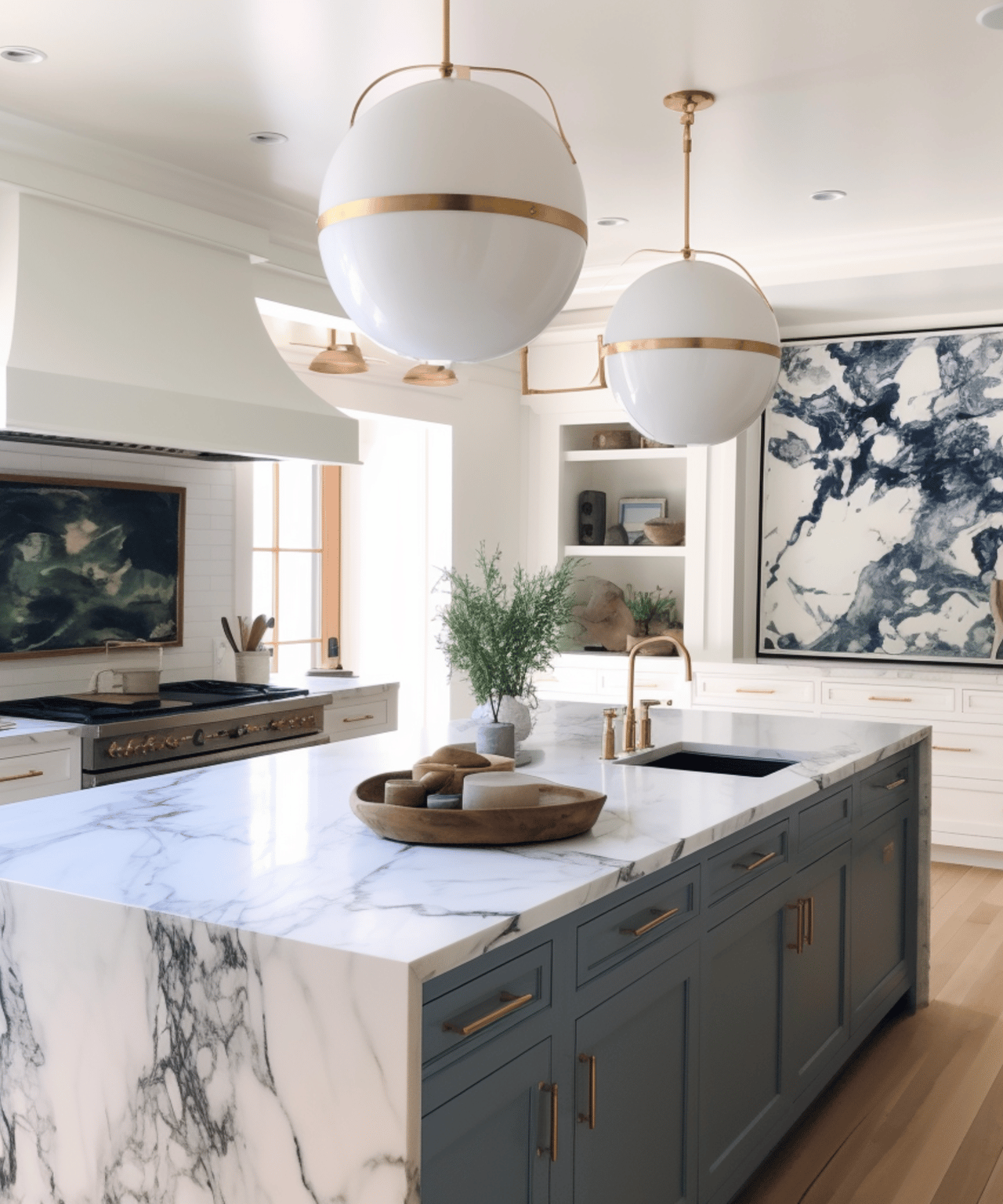
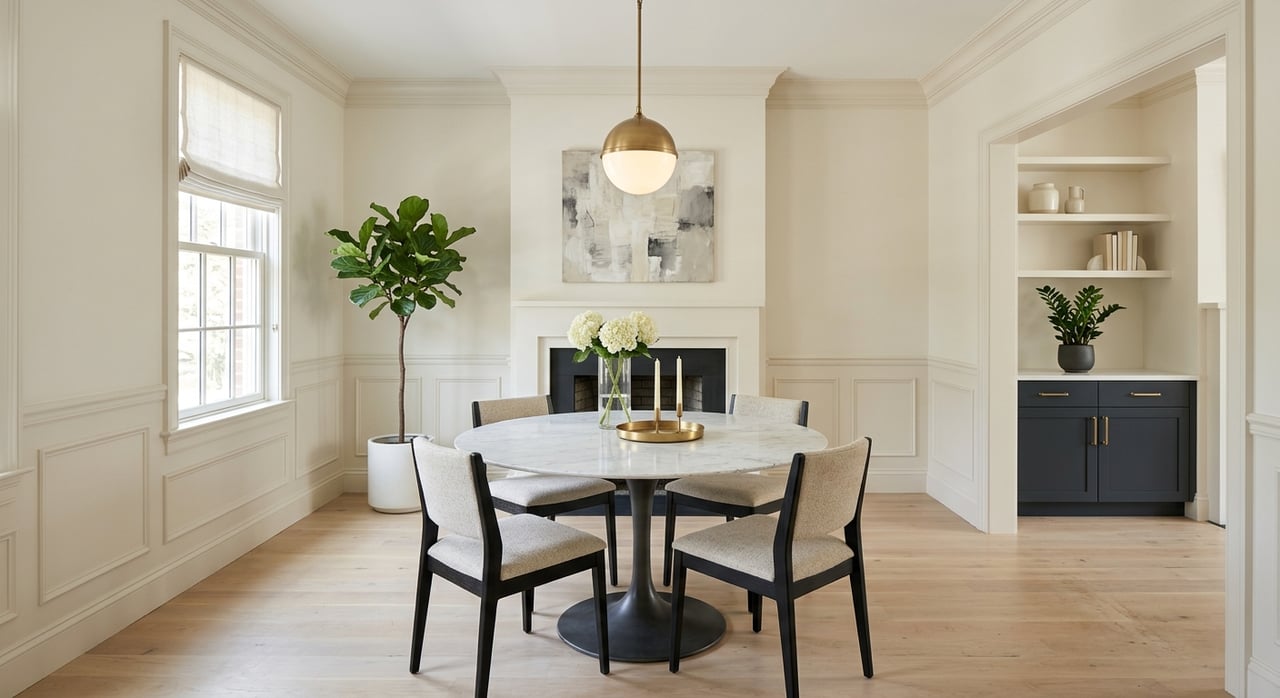
If you want to focus your budget where it matters most, start with the spaces buyers notice most. NAR found that the most important rooms to stage were the living room, primary bedroom, and kitchen. Sellers’ agents also commonly staged the dining room.
Here is the practical order many sellers should consider:
- Living room for first impressions and flow
- Primary bedroom to create a calm, spacious feel
- Kitchen to highlight function and cleanliness
- Dining room to show how entertaining or everyday meals can work
If your budget does not allow for every room, these areas usually give you the strongest return in buyer attention.
What professional staging may include
Professional staging does not always mean bringing in all new furniture. In many cases, it starts with editing what is already there and making smarter use of your space.
A staging plan may include:
- Decluttering surfaces, shelves, and storage areas
- Deep cleaning throughout the home
- Removing personal photos and highly specific decor
- Rearranging or removing bulky furniture
- Adding neutral styling where needed
- Touching up paint in a simple, low-key color palette
- Refreshing curb appeal with basic landscaping and entry updates
These steps line up with NAR’s consumer guidance, which frames staging as helping buyers see your home in its best light. It is about clarity, scale, and visual flow.
Is staging worth the cost?
For many Haddonfield sellers, it is a reasonable pre-listing expense to consider. NAR reported a median cost of $1,500 when using a staging service, compared with $500 when a sellers’ agent personally staged the home.
That does not mean every home needs the same level of investment. A beautifully maintained owner-occupied property may only need light editing and styling. A vacant or dated home may need a more complete plan to help buyers understand room size, layout, and purpose.
In a market with Haddonfield’s pricing and buyer expectations, staging can be easier to justify because it supports the full marketing package. It is not just about furniture. It is about how your home shows in photos, during tours, and against nearby competing listings.
A smart Haddonfield pre-listing workflow
The best staging results usually come from good sequencing. If you stage too early, then complete repairs later, you may undo some of the visual work. If you photograph before the house is ready, you risk going live with weaker marketing.
A practical seller-prep workflow in Haddonfield looks like this:
- Meet with your agent for a listing consultation
- Identify low-risk repairs and staging priorities
- Confirm whether any planned exterior work needs historic review
- Complete repairs and cosmetic touch-ups
- Stage the home
- Photograph and launch the listing
This order helps your budget work harder. It also supports a smoother path from preparation to market.
Special care for Haddonfield historic homes
If your home is in the Haddonfield Historic District or is a designated historic landmark, pre-listing updates need extra care. Borough rules state that exterior work generally cannot begin until a certificate of appropriateness has been recommended by the Historic Preservation Commission and approved. The ordinance covers items such as alterations, repairs, replacements, fences, walkways, signs, and landscape features, with limited exemptions for certain maintenance and repair work.
That is why sellers of historic homes should lean toward low-risk, reversible improvements when possible. Cleaning, paint touch-ups, lighting improvements, landscaping refreshes, and interior staging are often more practical than aggressive exterior changes before listing.
The ordinance also emphasizes compatibility in size, scale, color, material, facade orientation, setback, and other site characteristics. In simple terms, the goal is to respect the home’s historic character rather than try to make it look brand new or generic.
How to stage a historic home without losing character
A historic Haddonfield home does not need to be stripped of personality to appeal to buyers. In fact, buyers are often drawn to original details, thoughtful millwork, porches, windows, and room-to-room flow.
The key is to make those features easier to notice. That may mean removing extra furniture, softening bold decor choices, improving lighting, and creating cleaner sight lines. The home should feel cared for and visually calm, while still showing what makes it distinct.
For photography, it also helps to highlight character-defining features instead of trying to make the property look like every other listing. Front elevation, porch presence, window patterns, and circulation through the main rooms can all help tell the story of a historic home.
What about virtual staging?
Virtual staging can be useful if your home is vacant or sparsely furnished. It can help buyers understand scale and layout, especially online where empty rooms can feel flat or hard to read.
That said, staging should still present a true picture of the home. NAR’s consumer guidance notes that photo enhancements that materially alter the property should be disclosed. The goal is to help buyers visualize, not create confusion.
Common staging mistakes to avoid
Even strong homes can lose impact when the presentation feels off. Before listing, try to avoid these common issues:
- Overfurnished rooms that feel smaller than they are
- Too many personal items that distract from the home
- Bold or mismatched decor that pulls focus
- Skipping touch-ups, deep cleaning, or lighting fixes
- Taking photos before the staging plan is complete
- Making exterior changes on a historic property without checking review requirements
A calmer, simpler presentation usually helps buyers focus on the home’s size, layout, and condition. That is what you want them remembering after the showing ends.
Why local guidance matters
Every market responds a little differently to presentation. In Haddonfield, buyer expectations tend to be high, and that means staging decisions should connect to pricing, photography, timing, and the style of home you are selling.
That is where hands-on guidance can make a real difference. A clear plan can help you decide what to fix, what to leave alone, where to spend, and how to present your home in a way that feels polished but still authentic.
When you are preparing a Haddonfield listing, staging works best as part of a full strategy. If you want expert help with presentation, vendor coordination, and a listing plan built for your home, connect with Steven Piacquadio.
FAQs
Is professional staging worth it for a Haddonfield home sale?
- In many cases, yes. Haddonfield is a high-value, competitive market, and NAR’s 2025 data found that staging helped buyers visualize a home, supported faster sales, and sometimes improved the dollar value offered.
Which rooms should I stage first in a Haddonfield listing?
- Start with the living room, primary bedroom, and kitchen. The dining room is also a common priority when budget allows.
Do historic Haddonfield homes need approval for pre-sale updates?
- If the home is in the Historic District or is a designated landmark, exterior work generally requires review and approval before it begins, with limited exemptions for certain maintenance and repair items.
Should listing photos happen before or after staging?
- After staging. Buyers often see your home online first, and NAR reports that photos are highly important in how buyers respond to a listing.
Can I use virtual staging for a vacant Haddonfield property?
- Yes, virtual staging can help buyers understand empty rooms, but the presentation should still reflect the home truthfully and any material photo enhancements should be disclosed.