Selling a home in Center City is not the same as putting a sign in the yard and waiting for offers. Buyers here are comparing buildings, blocks, amenities, transit access, parking options, and day-to-day convenience, often before they ever schedule a showing. If you want to attract serious buyers, your home needs a launch plan that is polished, strategic, and tailored to how people actually shop in this market. Let’s dive in.
Center City demands a smarter launch
Center City is a dense, fast-moving, mixed-use downtown with a strong residential base and broad appeal to both local and relocation buyers. According to the Center City District, it is a walkable, transit-connected area with a highly educated population and a large share of younger adult residents.
That matters because buyers are not just shopping for square footage. They are weighing lifestyle fit, commute ease, building features, storage, parking, and how a home functions day to day. In a market this layered, a generic listing can easily get lost.
The housing story also supports a more targeted strategy. The Center City District annual housing report found that Greater Center City accounted for 44% of Philadelphia housing completions in 2024, while core Center City population growth outpaced the city overall. More competition means your home has to be positioned clearly from the start.
Pricing and positioning work together
Even in a premium market, price still shapes attention. Redfin market data reported a February 2026 median sale price of $499,000 in Center City, with homes averaging about 90 days on market and a 96.3% sale-to-list ratio.
That kind of market does not reward guesswork. It rewards precise positioning. It also reinforces why we do not market every Center City home the same way, because submarkets can vary meaningfully in pricing and buyer expectations.
A Rittenhouse condo, a Washington Square West rowhome, and a Logan Square residence may all fall under the broader Center City umbrella, but buyers view them differently. That is why our process starts with a micro-neighborhood lens instead of a one-size-fits-all message.
Who serious Center City buyers are
Many Center City buyers are making intentional lifestyle decisions. The Center City District resident profile shows that 44% of respondents came from outside the region, a majority do not own cars, and many expect to remain in Philadelphia over the next several years.
For sellers, that means your marketing has to answer practical questions quickly. Buyers want to understand not just the home itself, but how it supports real life. They may be comparing commute patterns, walkability, building services, storage, parking, and flexibility of space.
That is also why we focus on attracting serious buyers, not just generating clicks. The right presentation helps buyers pre-qualify the home before they visit, which leads to stronger showings and more productive interest.
What we do before your home goes live
A strong launch starts well before the listing hits the market. We focus on preparation first, because first impressions are shaped long before a buyer walks through the door.
Our pre-launch approach is built around the factors that most influence buyer perception:
- pricing strategy based on the specific Center City micro-market
- staging recommendations to improve scale, flow, and usability
- decluttering and full-home cleaning
- repair or improvement coordination when needed
- visual planning for photography and video
- listing copy that highlights everyday function, not just room counts
This is where Dream Home by Steven stands apart from a list-and-wait approach. Steven Piacquadio’s service is hands-on, with support for staging, visual presentation, and vendor coordination when your home needs more than basic MLS placement.
Why staging matters so much
Staging is not just about making a home look nice. It helps buyers understand how the space lives.
According to the National Association of Realtors 2025 staging report, 83% of buyers’ agents said staging made it easier for buyers to visualize a property as a future home. The same report found that 49% of sellers’ agents said staging reduced time on market, and 29% said it led to a 1% to 10% increase in the dollar value offered.
In Center City, that matters even more because many homes need to show function clearly. In a condo, loft, or rowhome, buyers are often asking: Where does a dining table go? Is there room for a desk? Does the bedroom feel comfortable? How does storage work?
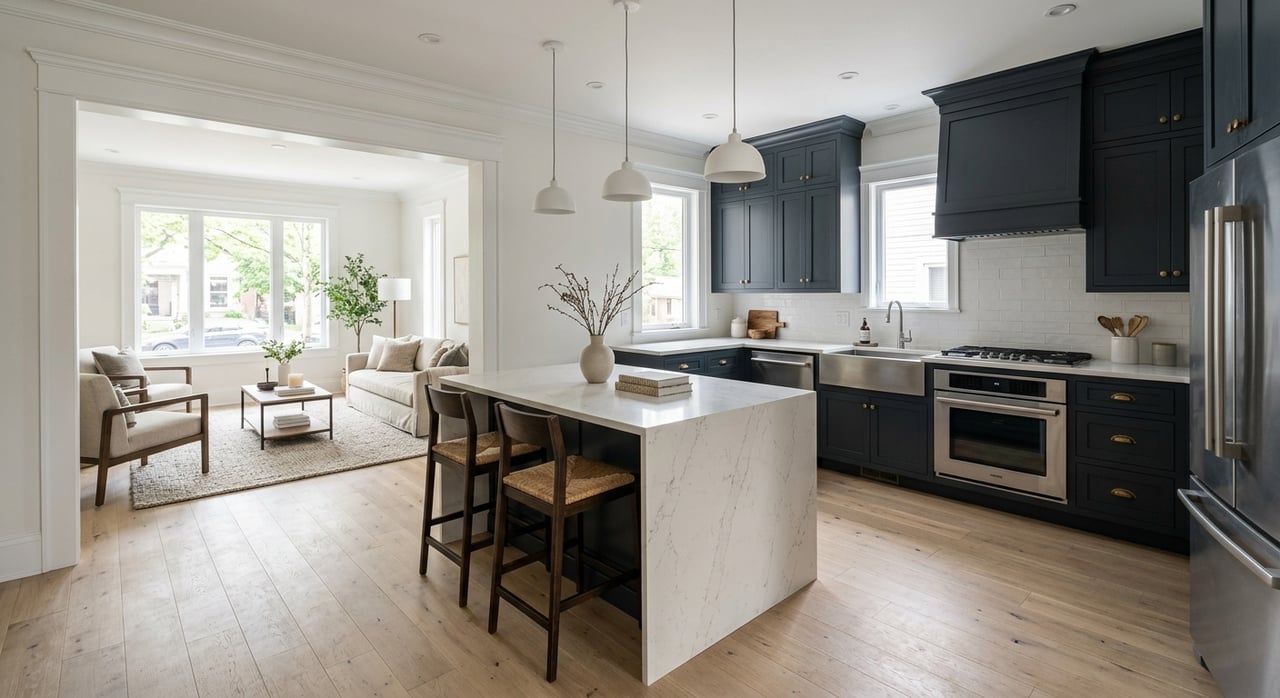
Thoughtful staging helps answer those questions visually. It can make a compact space feel intentional, a multi-use room feel practical, and the overall flow feel easier to understand.
The rooms buyers notice most
NAR’s staging report also found that the living room, primary bedroom, dining room, and kitchen are the most commonly staged spaces. It also noted that decluttering, cleaning, and curb appeal are among the most common pre-listing recommendations.
That lines up with how buyers shop online and in person. They tend to make fast judgments based on the spaces where they imagine spending the most time. If those rooms feel polished, functional, and well-scaled, the entire home tends to make a stronger impression.
For Center City sellers, we pay special attention to:
- furniture scale
- open sight lines
- natural light
- flexible work or guest space
- organized storage areas
- outdoor areas, when available
Photography drives the first click
Most buyers start online, so your visuals carry a lot of weight before a showing ever happens. The National Association of Realtors reports that 52% of buyers found the home they purchased online, and nearly half said their search began online.
That same guidance makes an important point: the first photo matters most because it determines whether a buyer clicks into the listing or keeps scrolling. The order of the remaining photos matters too, because it shapes how long a buyer stays engaged.
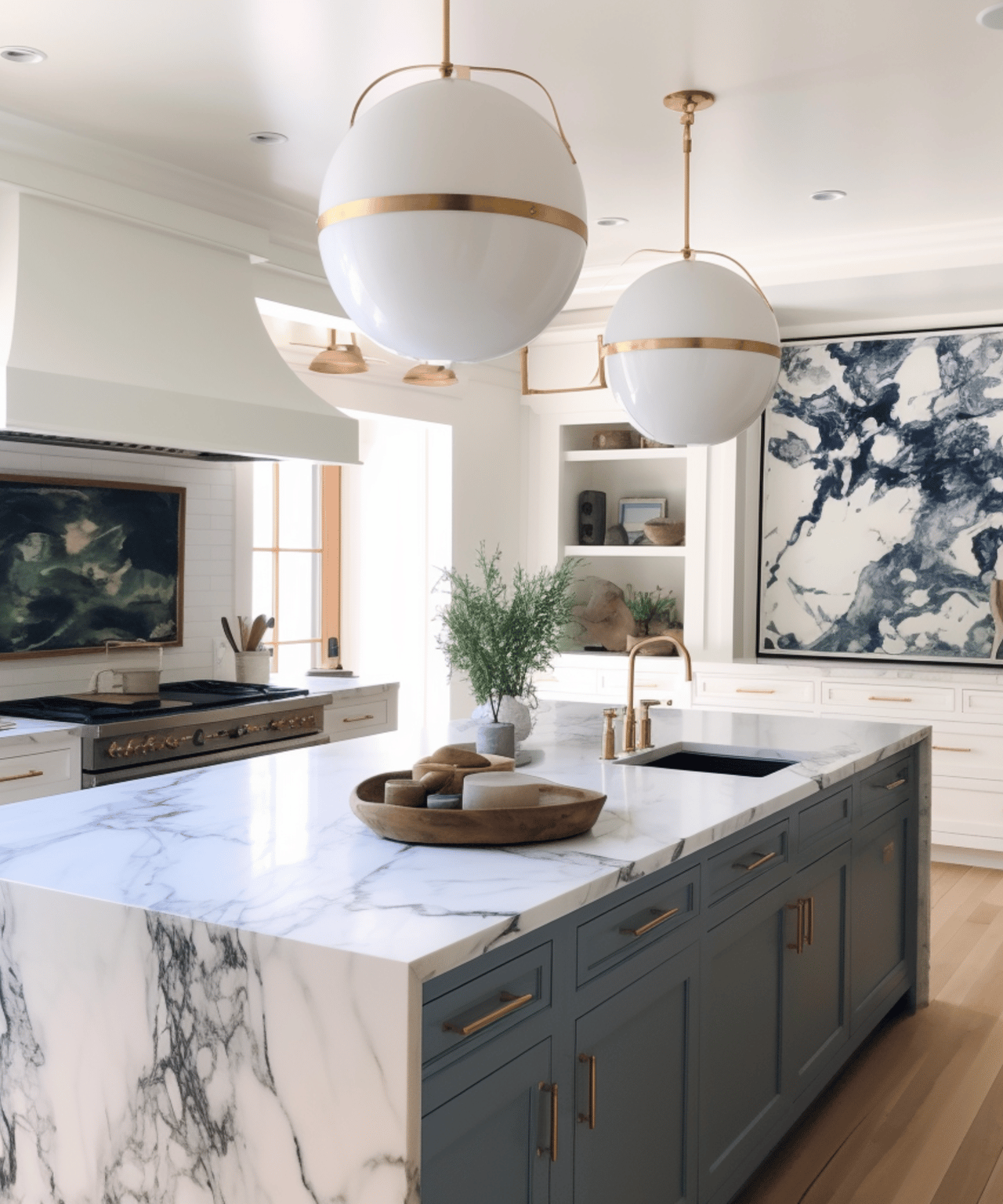
This is why we treat photography as strategy, not a checkbox. A premium Center City listing needs a lead image that stops the scroll, then a photo sequence that tells a clear story about layout, finishes, light, and livability.
Video and virtual tours help qualify buyers
Today’s buyers want enough information to decide whether a home is worth seeing in person. That is especially true for relocation buyers, busy professionals, and out-of-area purchasers.
NAR’s staging report found that buyers’ agents rated listing media as highly important, including 73% for photos, 48% for video, and 43% for virtual tours. In other words, visual depth matters.
For many Center City listings, we believe a strong launch package should include:
- professional still photography
- a short video walkthrough
- a virtual tour
- a floor plan or other layout aid
These tools do more than make a listing look polished. They help serious buyers understand room flow, scale, sight lines, and how the home fits their needs before they book a showing.
Listing copy should sell daily life
A lot of listing descriptions say very little. They mention bedrooms, bathrooms, and finishes, but skip the details that actually help a buyer decide.
In Center City, strong copy should explain how the home supports daily living. Depending on the property, that may include building amenities, parking, storage, outdoor space, flexible rooms, smart-home features, or energy-efficient upgrades.
NAR notes that buyers increasingly respond to features tied to everyday living and long-term value, including energy-efficient updates, flexible spaces, smart-home features, and usable outdoor areas. That is why our marketing language aims to be clear, useful, and specific rather than generic.
Local strategy first, broader reach second
The best marketing plans do two jobs at once. First, they position the home correctly within its immediate Center City micro-market. Second, they widen the audience to reach qualified buyers who may not be watching that exact block every day.
That broader reach matters here. The Center City District resident survey recap points to a buyer pool that includes people relocating from outside the region, while also noting strong nearby wealth in and around Center City.
This is where the Coldwell Banker platform can add real value. According to Coldwell Banker, its Global Luxury program offers access to an international network of luxury property specialists, luxury certification, market-specific trend analysis, and targeted advertising opportunities.
For a premium Center City listing, that means the local work stays hyper-focused while the distribution can extend further. It is not about replacing neighborhood expertise. It is about pairing neighborhood expertise with wider exposure where that makes sense.
How our process differs
A generic listing strategy often looks like this: take a few photos, post the home, and hope the market does the rest. That may create activity, but it does not always create the right activity.
Our process is more deliberate. We prepare the home to show at its best, shape the story around the right buyer, and use polished visuals and targeted messaging to attract people who are already aligned with the property.
That includes:
- neighborhood-specific pricing and positioning
- staging and presentation guidance
- renovation or vendor coordination when needed
- professional visual marketing
- clear copy focused on buyer decision-making
- Coldwell Banker distribution, with Global Luxury reach for select listings
In a market as nuanced as Center City, careful preparation is often what separates a listing that sits from one that earns real attention.
The goal is quality interest
More views do not always mean better results. What matters is whether your listing connects with buyers who understand the value of the home, the location, and the lifestyle it offers.
That is why we market Center City homes to serious buyers with a process built around presentation, precision, and reach. If you are thinking about selling and want a tailored strategy for your property, connect with Steven Piacquadio to request a free market valuation and talk through the right launch plan for your home.
FAQs
What does a premium Center City listing launch include?
- A premium launch typically includes pricing strategy, staging guidance, decluttering and cleaning, visual planning, professional photography, and listing copy tailored to the home’s specific micro-market and buyer profile.
Why does staging matter for Center City homes?
- Staging helps buyers understand scale, layout, and function, which is especially important in condos, lofts, and rowhomes where storage, flow, and flexible space can influence buying decisions.
How do photos and video help attract serious buyers in Center City?
- Strong visuals help buyers evaluate the home before visiting, which can improve click-through interest online and lead to more qualified showings from buyers who already see the fit.
What should Center City listing descriptions mention besides bedrooms and bathrooms?
- Effective listing descriptions should explain practical features like parking, storage, outdoor space, building amenities, transit access, and flexible rooms that shape day-to-day living.
What does Coldwell Banker Global Luxury add to Center City home marketing?
- For select premium listings, Global Luxury can expand exposure through a broader network, targeted advertising opportunities, and luxury-focused distribution beyond standard listing channels.
How is Steven Piacquadio’s selling process different from a basic list-and-wait strategy?
- Steven’s approach is more hands-on, combining neighborhood-specific pricing, staging and presentation guidance, vendor coordination, and polished marketing designed to reach serious buyers more effectively.